

Want to build an in-house engineering team? There may be a more practical way
You have decided to build your engineering team in-house, and the reason behind it is a good one. You want the knowledge to stay. You have watched understanding leave with a contractor at the end of an engagement, or seen a working system turn into a mystery once the people who built it moved on. You have concluded that the team holding your hardest-won knowledge should be your own.
That instinct is right. It also happens to point at the hardest kind of team to build.
In many mature technology markets, experienced engineers are difficult to find and expensive to hire. Recruitment can take months, while employment costs extend well beyond salary. Once the team starts to grow, the company must also provide the HR, payroll, compliance, IT, facilities, and management support behind it.
INSCALE offers another way to reach a similar operating outcome. You build a dedicated engineering team around your product and remain involved in choosing every person who joins. You manage the work, priorities, and technical direction, while INSCALE handles the recruitment and operational setup in a wider talent market.
The result is a team that works as part of your organisation without requiring you to build the entire employment infrastructure around it locally.
Why companies want engineering knowledge closer
Companies often reconsider conventional outsourcing because important knowledge can become too dependent on an external supplier. When the people working on a system change frequently, valuable understanding of the product, architecture, users and business logic can leave with them.
Whitelane’s 2026 UK and Ireland IT Sourcing Study found that retaining critical knowledge and capabilities internally was the main reason organisations planned to reduce their reliance on external providers, cited by 62% of respondents. The 2026 Nordics study reported a similar result, at 60%.
This matters because software knowledge compounds over time. A team that understands the product, architecture, users, constraints, and business logic can make better decisions with less explanation. It can see risks earlier. It can avoid repeating old mistakes. It can improve systems with context rather than only complete tickets.
For executives and technical leaders, this creates a strong pull towards in-house engineering. The company wants knowledge closer, less dependency, and a team that stays long enough to understand the business properly.
So, the goal is sound. The trouble is in reaching it.
Why local in-house hiring can become a constraint
Direct in-house hiring works well when a company has access to the right talent, a strong employer brand, and enough time to build its team. It remains a natural choice for roles that sit especially close to executive decisions, such as technology leadership, architecture ownership and security leadership.
The difficulty begins when a company relies on its local market to fill every engineering role.
Experienced engineers are rarely waiting for a vacancy to appear. Many are already employed, well paid, and selective about their next move. Reaching them requires active sourcing, credible employer positioning, technical assessment, salary alignment, and a recruitment process that keeps strong candidates engaged.
Even after the right candidate accepts an offer, notice periods can delay the start date. By the time the role is defined, candidates are found, interviews are completed, and the chosen engineer is available, several months may have passed.
Every new engineer also needs time to understand the product, codebase, standards, and release process. Onboarding applies under any employment model. The difference is how quickly the company can find the right person and begin that process.
This is where local in-house hiring can limit growth. The business may need additional capacity now, but its access to talent is restricted by geography and local competition.
The real cost of building an in-house engineering team
Salary is the most visible cost of an in-house hire, but it is only one part of the total investment.
The full cost usually includes:
- Salary, employer taxes, benefits and pension contributions
- Recruitment fees, advertising and sourcing tools
- Time spent by HR, hiring managers and engineers during recruitment
- Computers, software licences and other equipment
- Office space, facilities and day-to-day workplace support
- Payroll, employment administration and legal compliance
- Onboarding, people management and ongoing HR support
Some of these costs appear clearly in a budget. Others are distributed across several departments and are therefore easier to overlook.
For example, a senior engineer may spend several hours assessing candidates, a hiring manager may conduct multiple interview rounds, and HR may coordinate the process over several weeks. Once someone is hired, IT prepares equipment and access, finance manages payroll and local obligations, and the team lead supports onboarding alongside existing delivery responsibilities.
None of this work is optional. A well-supported team requires it. The point is that the cost of building in-house is the cost of the complete employment and operating environment, not only the salaries of the engineers within it.
With INSCALE, these costs are brought together within a managed model. The total cost reflects salary levels in the selected location and INSCALE's fee for recruitment, employment, and ongoing operational support. Depending on the roles, location, and size of the team, this can be more cost-effective than hiring the same capacity in a high-cost local market. It also makes more of the cost visible and predictable from the beginning.
Local in-house hiring compared with building a team through INSCALE
The right comparison isn’t simply between internal and external people, but between two ways of building a team that works under your direction.
| Area | In-house team | INSCALE Tech Hub |
| Employment | Engineers are employed directly by you | Engineers are employed by INSCALE and dedicated to your company |
| Access to talent | Primarily shaped by your local hiring market | Access to selected nearshore or offshore talent markets |
| Hiring | You manage the full recruitment process | INSCALE leads sourcing and recruitment; you interview and approve every team member |
| Technical direction | You own the roadmap, architecture, standards, and priorities | You own the roadmap, architecture, standards, and priorities |
| Team integration | Engineers work as part of your internal organisation | Engineers work as an extension of your organisation |
| Operational effort | Your teams manage HR, payroll, compliance, IT, facilities, and equipment | INSCALE manages the employment and operational layer |
| Cost structure | Costs are spread across salaries, taxes, benefits, recruitment, and internal operations | Salary and managed support costs are consolidated and agreed transparently |
| Flexibility | Changes depend on local recruitment, employment obligations, and internal capacity | The team can be built and adjusted with support from INSCALE as needs change |
| Knowledge retention | Developed through stable employment and internal practices | Developed through a stable, client-dedicated team with no rotation between clients |
| Best fit | Strategic roles and companies with strong local hiring capacity | Companies that need dedicated engineering capacity faster while keeping control |
The important distinction is that INSCALE does not take over your software development or build your product from the outside. We help you build the team that delivers it.
Your company owns the product, roadmap, architecture, engineering standards, and daily priorities. The engineers work only for your company and become part of its routines and working relationships. INSCALE provides the structure needed to find, employ, and support them.
Greater access to talent without giving up control
Expanding the hiring market can improve both speed and choice. Instead of competing for the same small group of engineers in one city, a company can recruit in locations with strong technical talent and salary levels that better support sustainable team growth.
This wider reach doesn’t require the company to give up control over who joins. With INSCALE, the client participates in the recruitment process, interviews candidates, and makes the final decision. There is no pre-built bench from which engineers are assigned. The team is recruited around the client's technical requirements, culture, and long-term plans.
Once in place, the team works under the client's technical leadership. INSCALE supports the people and the operating environment around them through recruitment, HR, payroll, compliance, IT, facilities and ongoing delivery support.
This division of responsibility allows engineering leaders to focus on the work that requires their judgement: setting direction, developing the team, maintaining quality and making technical decisions.
A more flexible way to grow engineering capacity
Direct employment creates a substantial internal commitment. That commitment can be valuable, but it may make it harder to respond when priorities, budgets, or capacity needs change.
Building through INSCALE gives companies another option. They can begin with the roles needed most, add capacity as the product and business develop, and use different locations where this supports access to skills, cost, or collaboration requirements.
This flexibility should not be confused with rotating contractors in and out of a project. The purpose is still to build a stable team that develops knowledge over time. The difference is that the company has operational support when it needs to grow or adjust that team.
For organisations that may eventually want direct employment, a Build-Operate-Transfer arrangement can also provide a planned route to bringing the established team onto the client's own payroll. The people and the knowledge they have developed move together, subject to the agreed arrangement.
When does each approach make sense?
Local in-house hiring may be the better choice when:
- The role carries strategic or executive authority
- The person needs to work on-site for operational, security, or regulatory reasons
- The company has reliable access to the required talent locally
- Recruitment speed and local employment costs are not significant constraints
- The company already has the internal infrastructure to support additional employees
- The local market cannot provide enough experienced engineers
- Delivery is being delayed by long recruitment cycles
- The company wants access to a wider talent market
- The total cost of local hiring makes team growth difficult
- Internal teams are spending too much time on recruitment and employment administration
- The company needs capacity that can grow with changing business needs
- Long-term product knowledge and close team integration remain important
Building a dedicated team through INSCALE may be more practical when:
Many companies will use both approaches. Strategic leadership and selected specialist roles may remain directly employed at headquarters, while a dedicated team in another location adds the engineering capacity needed to deliver and grow.
A faster way to reach the in-house outcome
The aim of building in-house is usually not direct employment for its own sake. It’s to create a stable engineering team that understands the product, retains knowledge, and works under the company's direction.
INSCALE provides a more practical route to that outcome when local hiring is too slow, expensive, or restrictive. You remain involved in selecting every engineer. You lead the work and retain control over the product and technical decisions. INSCALE gives you access to wider talent markets and manages the operational responsibilities required to keep the team supported.
For the right company, this can provide the continuity of an internal team with lower operational effort, greater flexibility, and a more sustainable total cost than building the same capacity locally.
It is your team, but in our office.
Related Insights
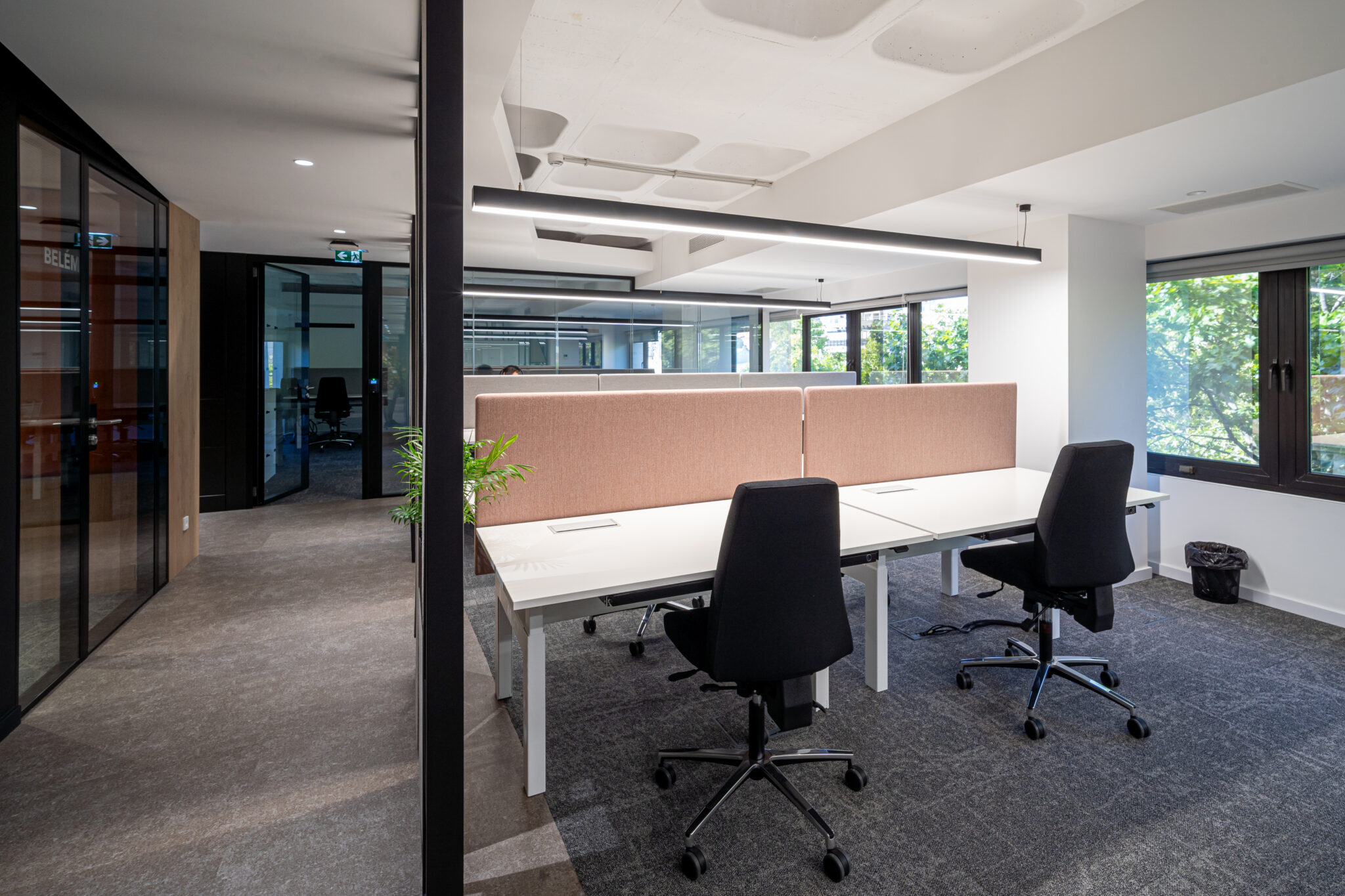
How we build dedicated teams in our tech hubs

Insourcing tech talent in the UK
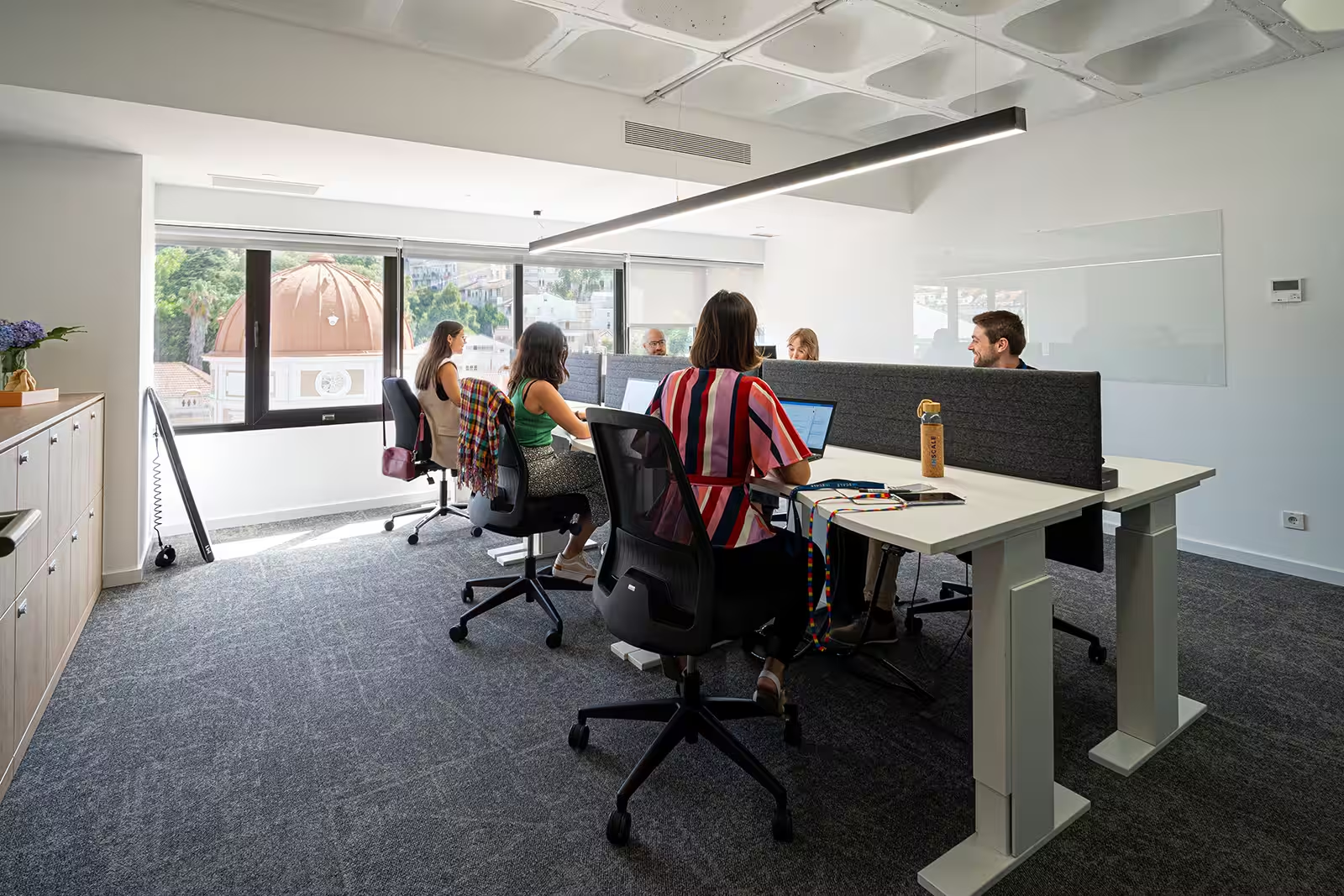
INSCALE’s tech hubs: A faster route to AI adoption
Talk to us about your next team
Lorem ipsum dolor sit amet, consectetur adipiscing elit, sed do eiusmod tempor incididunt ut labore et dolore magna aliqua.